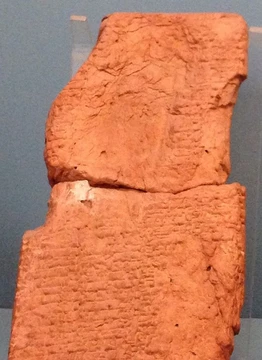
Contractual term
A provision forming part of a contract, giving rise to obligations.

A contractual term is any provision forming part of a contract, giving rise to a contractual obligation whose breach may lead to litigation. Terms are the essence of a contract, stating what the contract will do, such as the price of a good, time of delivery, or description of the good. Terms may be express (stated by the parties) or implied, and they are classified into conditions, warranties, or innominate terms, with conditions being major provisions that go to the root of a contract and warranties being less imperative.
- definition
- Any provision forming part of a contract
- classification
- Condition, warranty, or innominate term
- express term
- Stated by parties during negotiation or written in a contractual document
- implied term
- Not stated but forms a provision of the contract
- breach consequence
- May give rise to litigation and damages
- key case
- Hong Kong Fir Shipping Co Ltd v Kawasaki Kisen Kaisha Ltd (innominate term)
Lore & Background
Contractual terms are classified into conditions, warranties, and innominate terms. Conditions are major provisions that go to the very root of a contract; breach entitles the innocent party to terminate the contract. Warranties are less imperative, so the contract survives a breach, though damages may still be awarded. The concept of an innominate term was created by Lord Diplock in Hong Kong Fir Shipping Co Ltd v Kawasaki Kisen Kaisha Ltd, where the breach may or may not go to the root of the contract depending on the nature of the breach. Megaw LJ later preferred the classic categorization into condition or warranty for legal certainty, but the House of Lords restricted this preference in Reardon Smith Line Ltd. v Hansen-Tangen.
Reader's Guide
The classification of contractual terms is significant because it determines the remedies available upon breach. Conditions allow termination of the contract, while warranties only permit damages. Innominate terms offer flexibility, as the remedy depends on the severity of the breach. The distinction between terms and mere representations or puffs is also crucial, as only terms give rise to contractual obligations. Courts consider factors like timing, content, knowledge, and reduction into writing to determine whether a statement is a term. Implied terms, whether implied in fact or law, fill gaps in contracts based on tests such as business efficacy and obviousness. The parol evidence rule, though limited in UK law, still affects interpretation in some jurisdictions. Overall, the law of contractual terms balances certainty with fairness, allowing parties to enforce their agreements while protecting against unfair surprise.
Did You Know?
- A condition goes to the very root of a contract; breach allows termination.
- A warranty is less imperative; breach gives rise to damages but the contract survives.
- Lord Diplock created the concept of an innominate term in Hong Kong Fir Shipping Co Ltd v Kawasaki Kisen Kaisha Ltd.
- The parol evidence rule has practically ceased operation under UK law but remains functional in Australian law.
Frequently Asked Questions
What is a contractual term in simple terms?
A contractual term is any individual provision that makes up a contract, creating a binding obligation between the parties involved. It spells out specifics like the price of goods, a delivery deadline, or a description of what is being exchanged.
How are contractual terms classified?
Terms fall into three categories: conditions (core provisions essential to the contract's fundamental purpose), warranties (less critical obligations), and innominate terms (intermediate provisions whose consequences depend on how severe the breach is).
What's the difference between express and implied contractual terms?
An express term is one the parties explicitly state during negotiations or write directly into the contract document. An implied term is never written out by the parties but is still legally recognized as part of the agreement.
What happens when a contractual term is breached?
Breaching a contractual term can trigger litigation, where the aggrieved party seeks damages or other legal remedies. The severity of the available response often depends on whether the broken term was a condition, a warranty, or an innominate term.
Which landmark case is most associated with the innominate term concept?
Hong Kong Fir Shipping Co Ltd v Kawasaki Kisen Kaisha Ltd is the key case that established how courts assess whether a breached innominate term goes to the root of the contract. It set the framework for deciding when a party may terminate the agreement versus merely claiming damages.
More in Legal Systems & Concepts 25-39
Elsewhere in the Legal Systems & Concepts universe
Spotted an error? Know more?
This is a living reference — every entry is fact-audited, and reader corrections feed straight into our audit queue. Suggest an edit · See this site's audit record